Product Design
User Research
MoodSwings
A set of swings as a play tool to help students pause, reflect and acknowledge emotions fostering a supportive and emotionally aware campus.
Inquiry
The project explores how design can create gentle pauses within the fast pace of campus life, offering students moments to slow down, reflect, and reconnect with their emotions.
Duration
2 Weeks

The Story: Discovery of The Problem
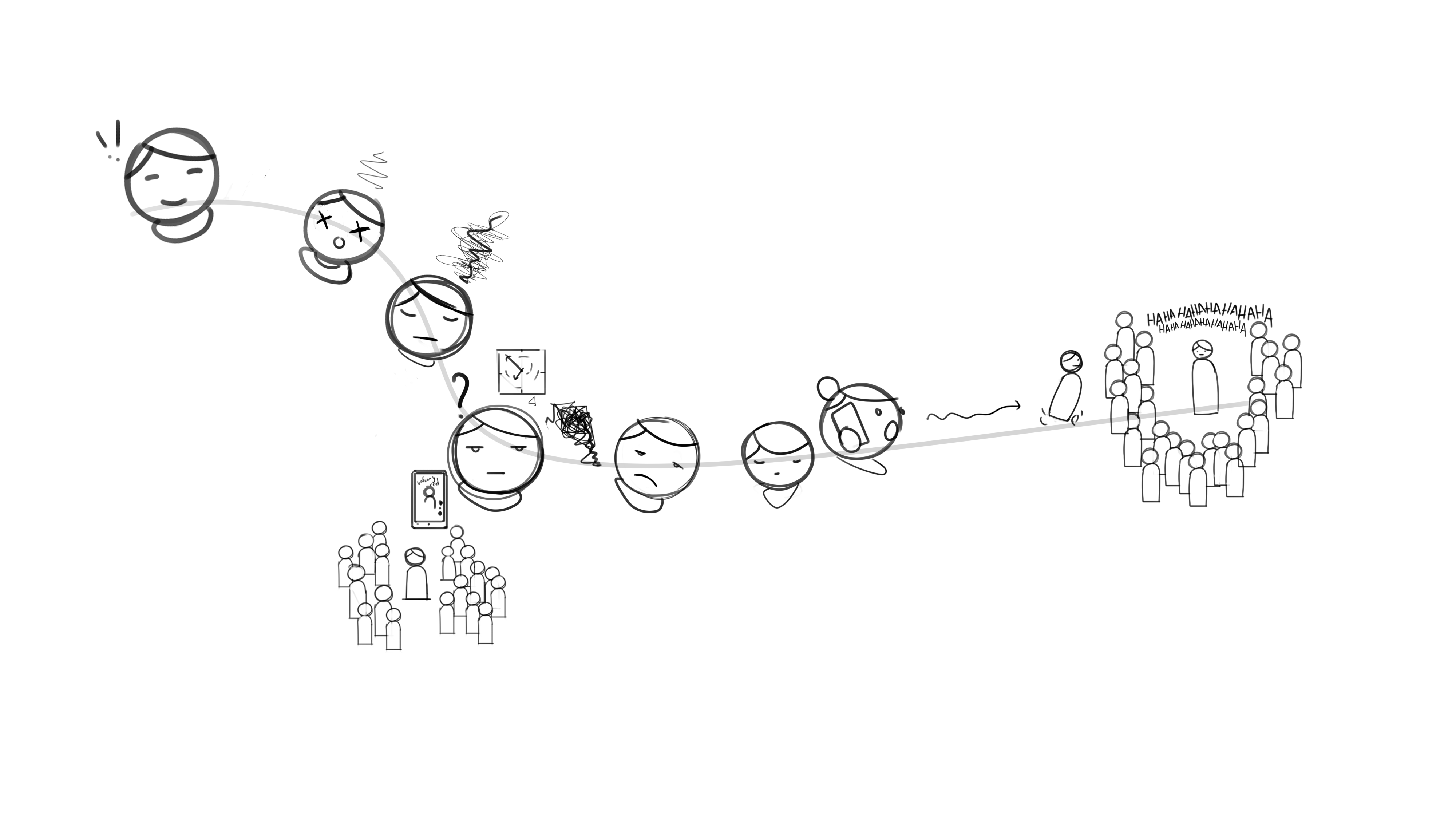
Shivanie, a first-year student at NID, loves spending time alone but finds herself struggling to balance academic demands, personal life, and her emotions. Living on a residential campus, she hasn’t been able to find any "me time."
Drained by the day’s workload and emotions, Shivanie seeks calm, only to find her roommate deep in conversation with her boyfriend.
She wasn’t able to express what she was feeling to anyone.
She goes out to get some fresh air, but all her friends were around laughing and enjoying.
She thinks to herself, “Funnily, how can a person feel lonely even after being surrounded by friends and laughter?”
1
3
4
5
2
I’m feeling this way too: Student Reflections

“Every day in college feels like the same, its like being in a bubble, dont even understand what is happening with me.”
Suryavanshi IIM A

“Despite being surrounded by friends, I felt a growing sense of isolation, unable to pinpoint or share the emotions overwhelming me.”
Shreya Chappie NIFT GNR

“I feel so annoyed at college life.No space for my self, everywhere I go there are other people around me. Cant even find a space for therapy.”
Rupesh Verma NID AHD

“Every day in college feels like the same, its like being in a bubble, dont even understand what is happening with me.”
Anna Ginger DAIICT
Users Considered


Staff
Age Group: 25–50 years
Demographics: Administrative staff, maintenance, and support personnel.

Faculty
Age Group: 30–60 years
Demographics: Professors, lecturers, and academic staff.

Students
Age Group: 18–25 years
Demographics: Primarily undergraduate and postgraduate students across various fields.
Key Insights

Students
Emotionally aware but overstimulated: balancing academics, social life, and self-care creates emotional overload.
Active lifestyle: value fitness and social interaction, yet seek mental clarity and emotional comfort.
Need: accessible, informal spaces to pause, recharge, and regulate emotions between busy routines.

Faculty
Value intentional downtime: appreciate slow, mindful activities like tea breaks or reading.
High mental load: juggling teaching, travel, and personal well-being.
Need: calm, purposeful environments that support reflection and emotional grounding amid structured schedules.

Staff
Physically demanding routine: limited time or energy for rest; “sleep is a luxury.”
Emotional fatigue: constant work leaves little room for self-reflection or emotional release.
Need: small, accessible moments of rest and acceptance, spaces that allow mental decompression.



High Impact
Low Feasability
Low Impact
High Feasability
How Might We use a playful tool to make students pause/ reflect/ accept emotions?
Preserve and celebrate unique student traditions by fostering a sense of community through shared storytelling, ensuring these cultural legacies
Experiences for students to disconnect from digital routines by immersing themselves in ecological, hands-on activities influenced by India’s diverse landscapes?
Design personalized care packages, inspired by regional traditions, to offer emotional and physical comfort to students across India facing homesickness?
Foster cross-cultural connections to promote inclusivity and enhance the sense of belonging in an institutional community?
Create an arrival experience that helps newcomers to the educational institution feel genuinely welcomed and supported?



Problem Statement
After exploring multiple directions and refining our ideas through research and faculty feedback, we arrived at the following statement.
How Might We design a playful tool to make students pause, reflect & acknowledge emotions?
Awareness
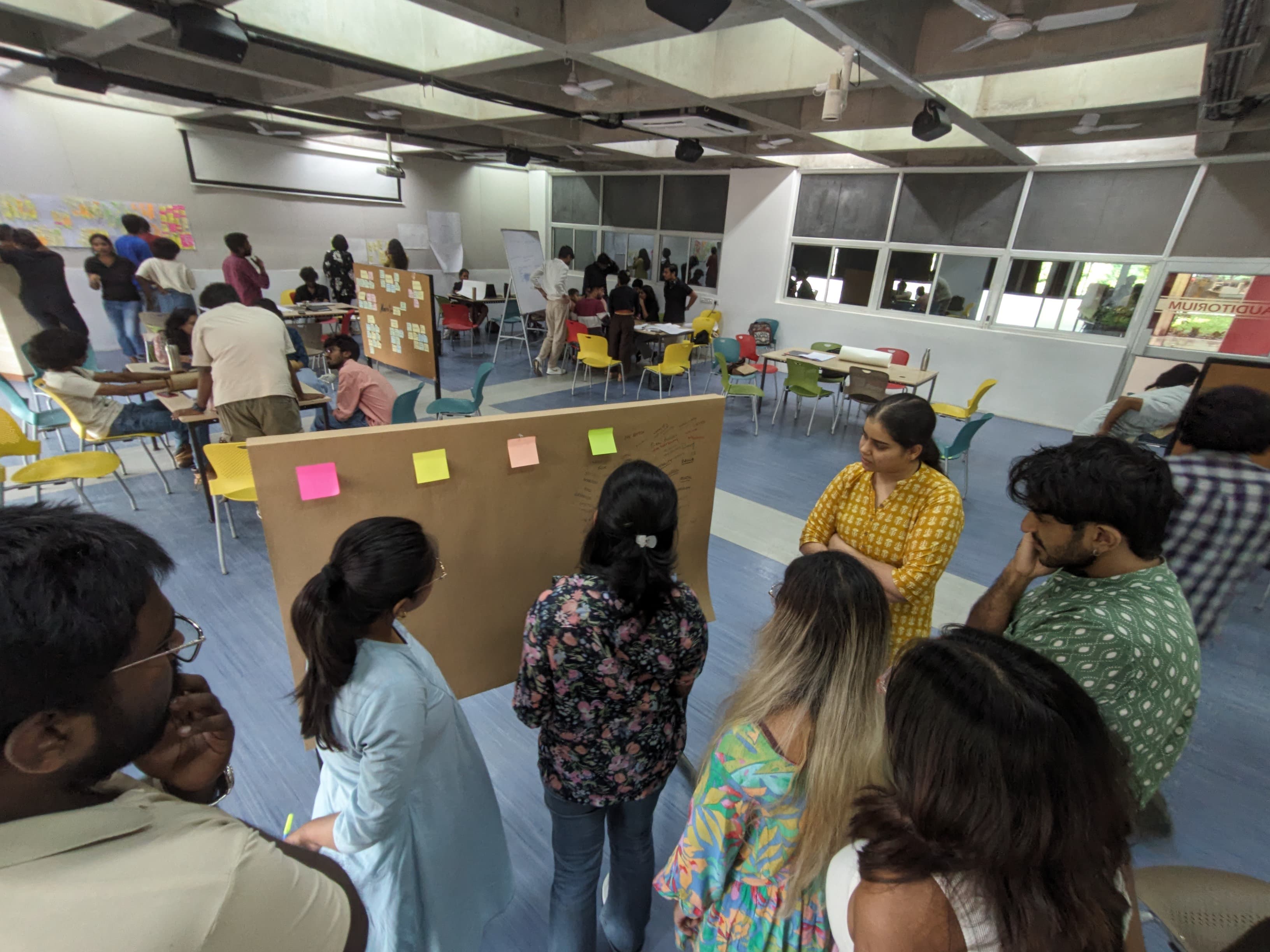
Recognizing the prevalence of emotional fatigue on campus, we began our research by gathering insights from peers and colleagues within our community, later extending it to other institutions for broader perspectives.
Through a mix of primary and secondary research, including detailed user personas, we identified the key needs and behaviors of our audience while validating the genuine demand for such a space.
One of the major challenges was the reluctance to openly discuss mental health, which emphasized the sensitivity of the topic and shaped our approach toward creating a safe, empathetic, and non-intrusive environment for emotional reflection.
Ideation
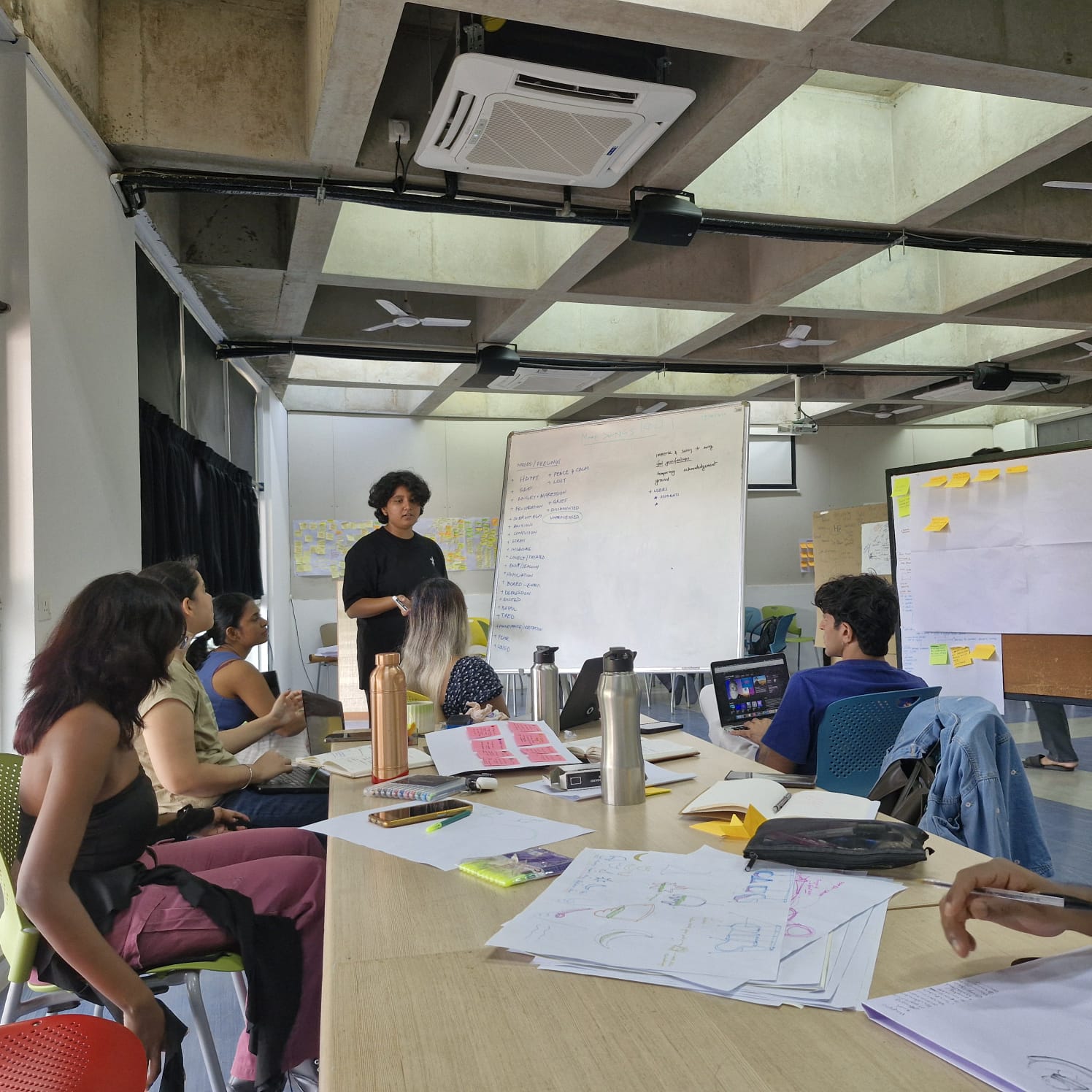
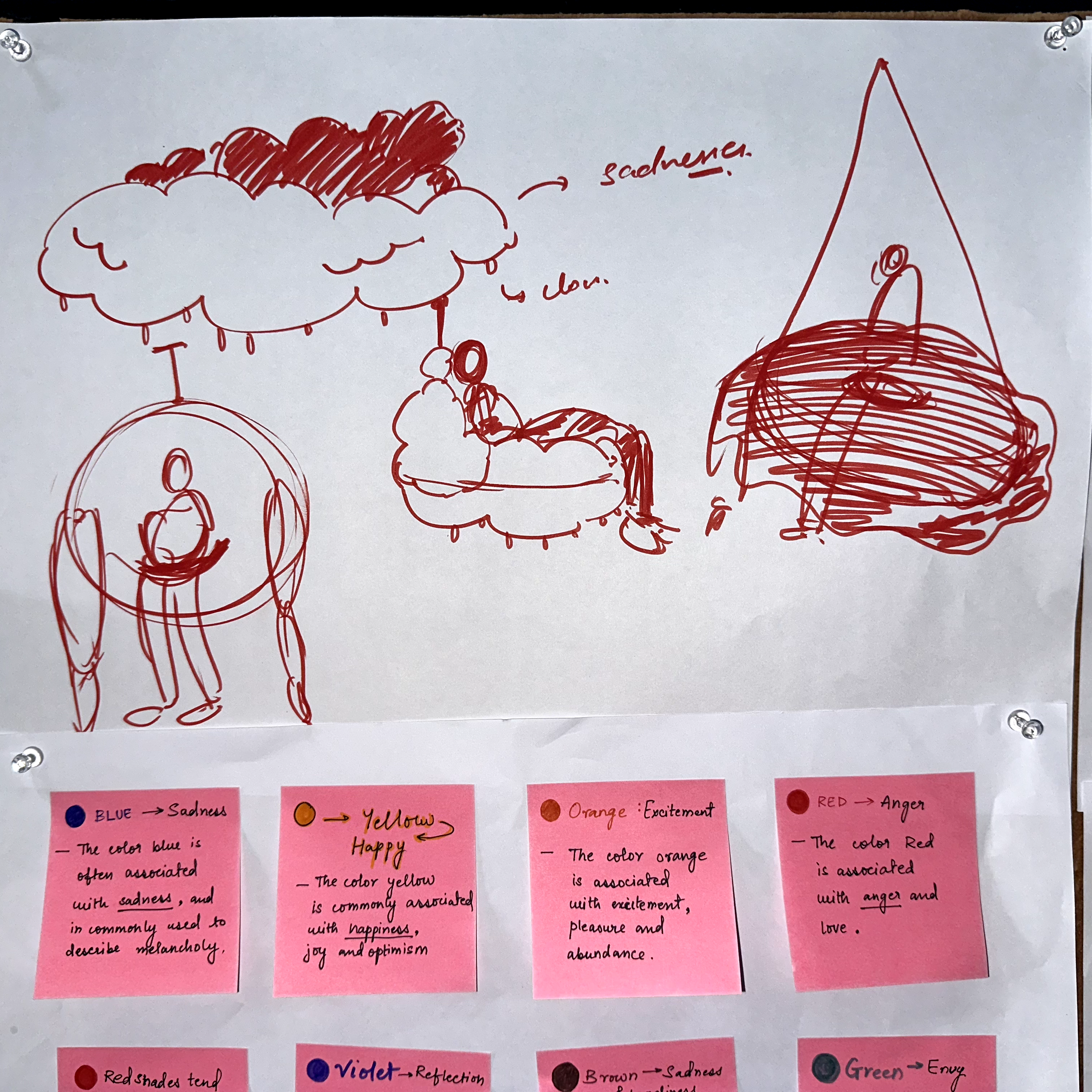
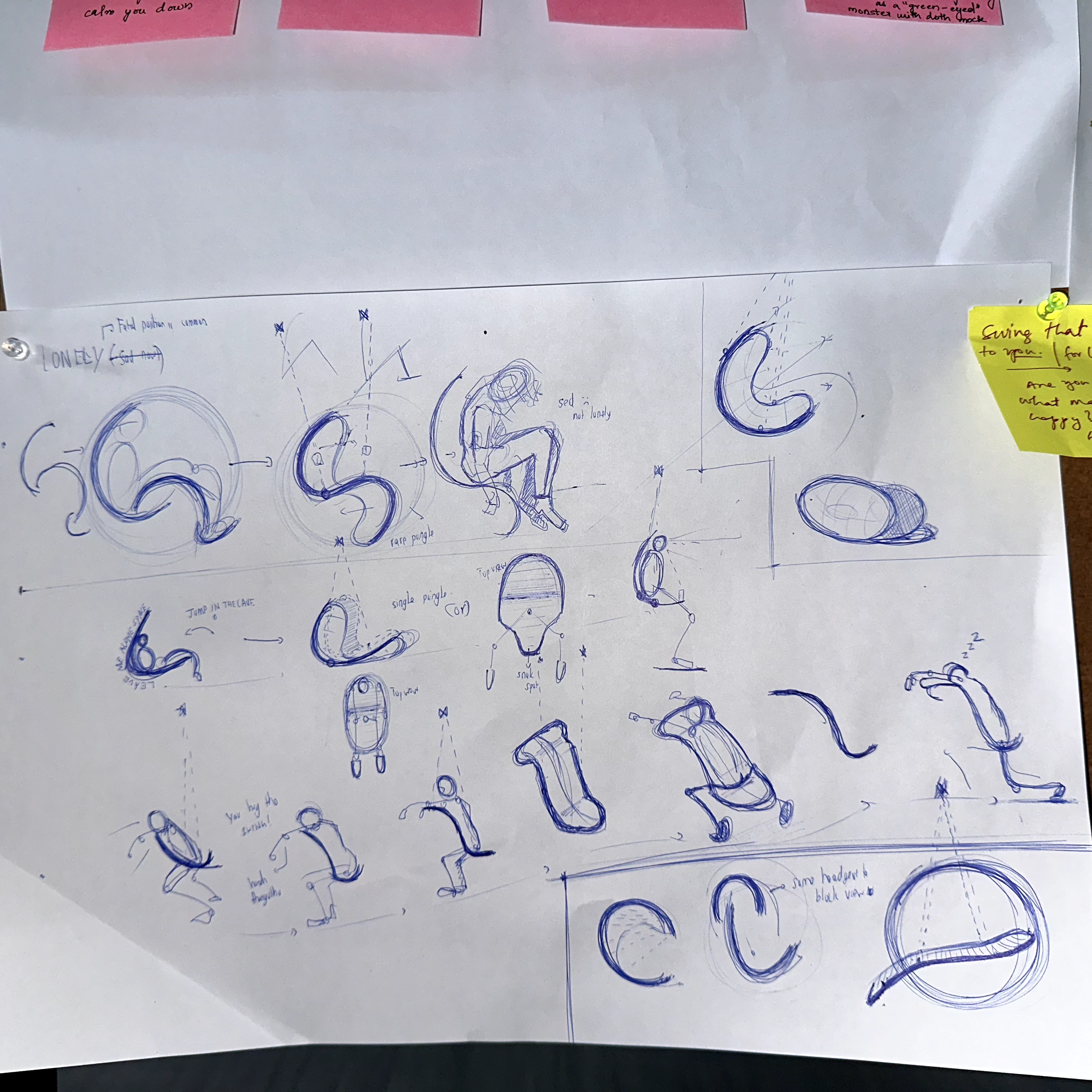
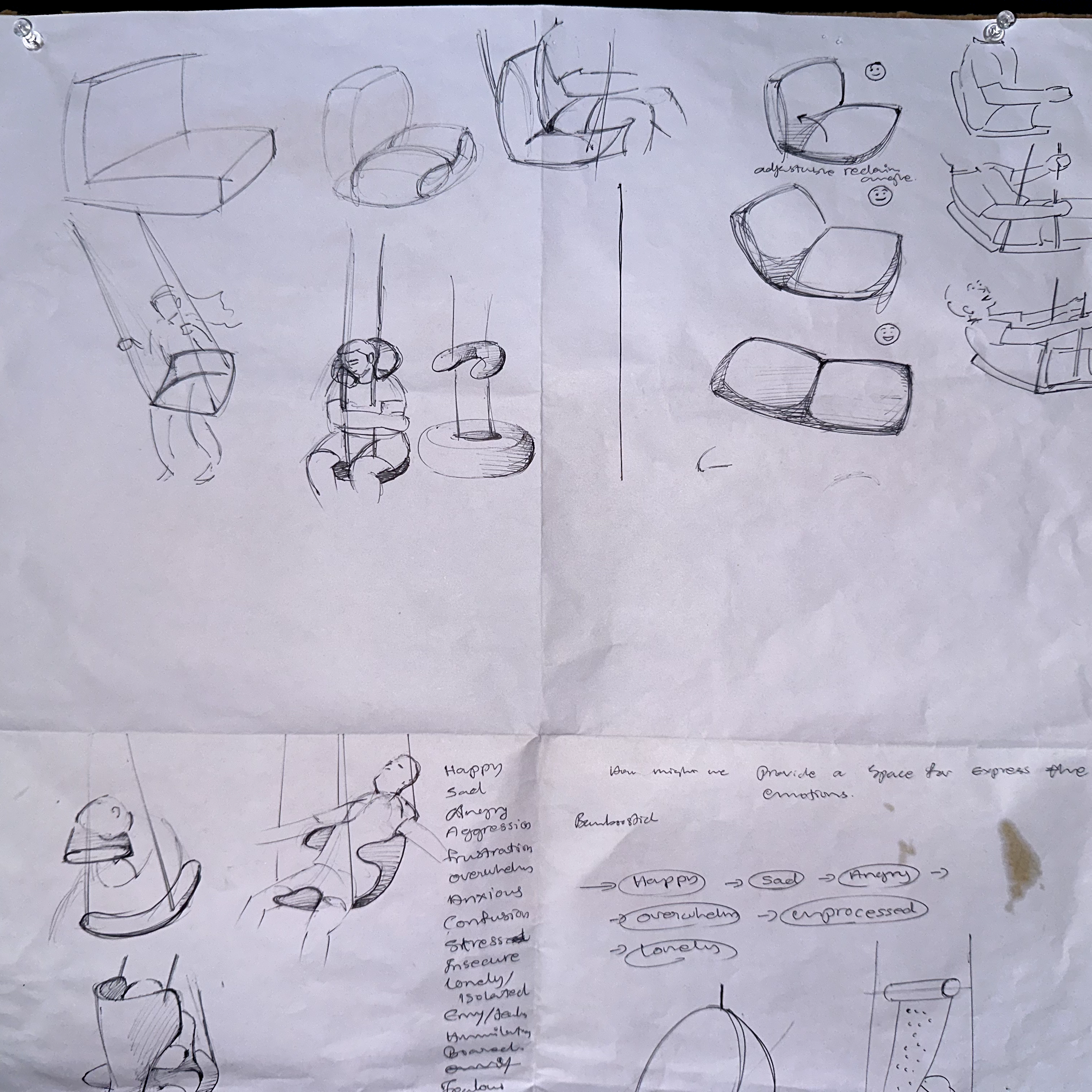
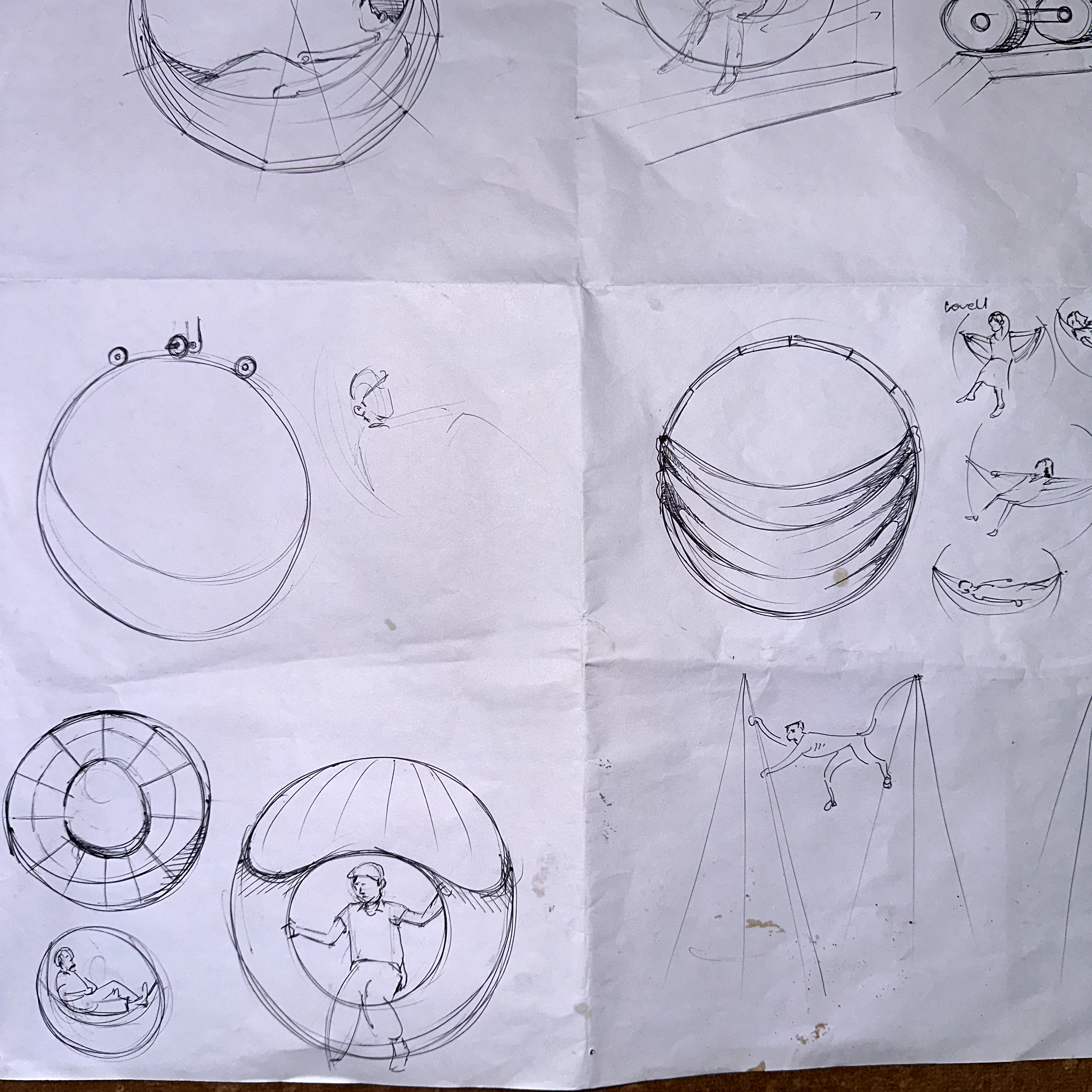
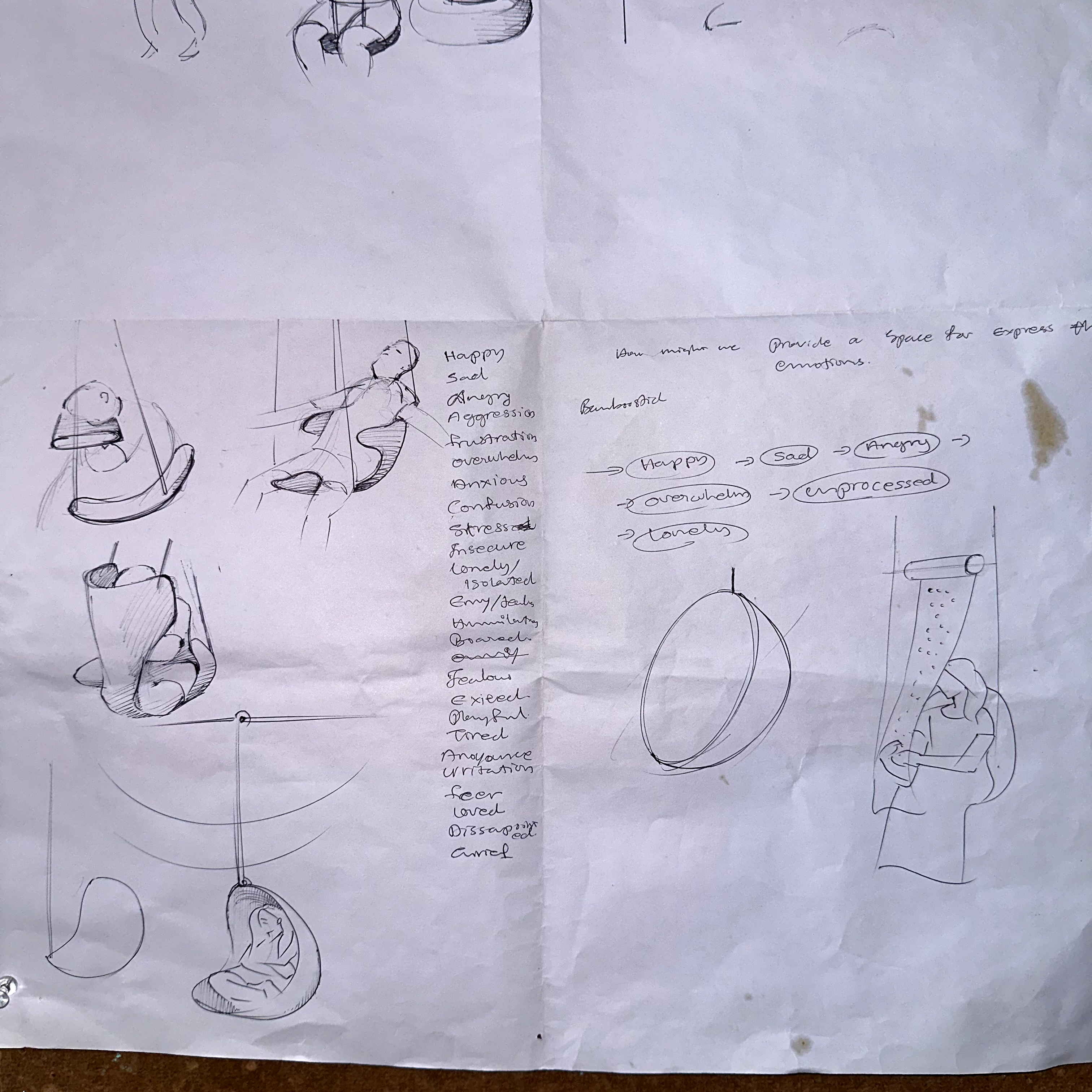
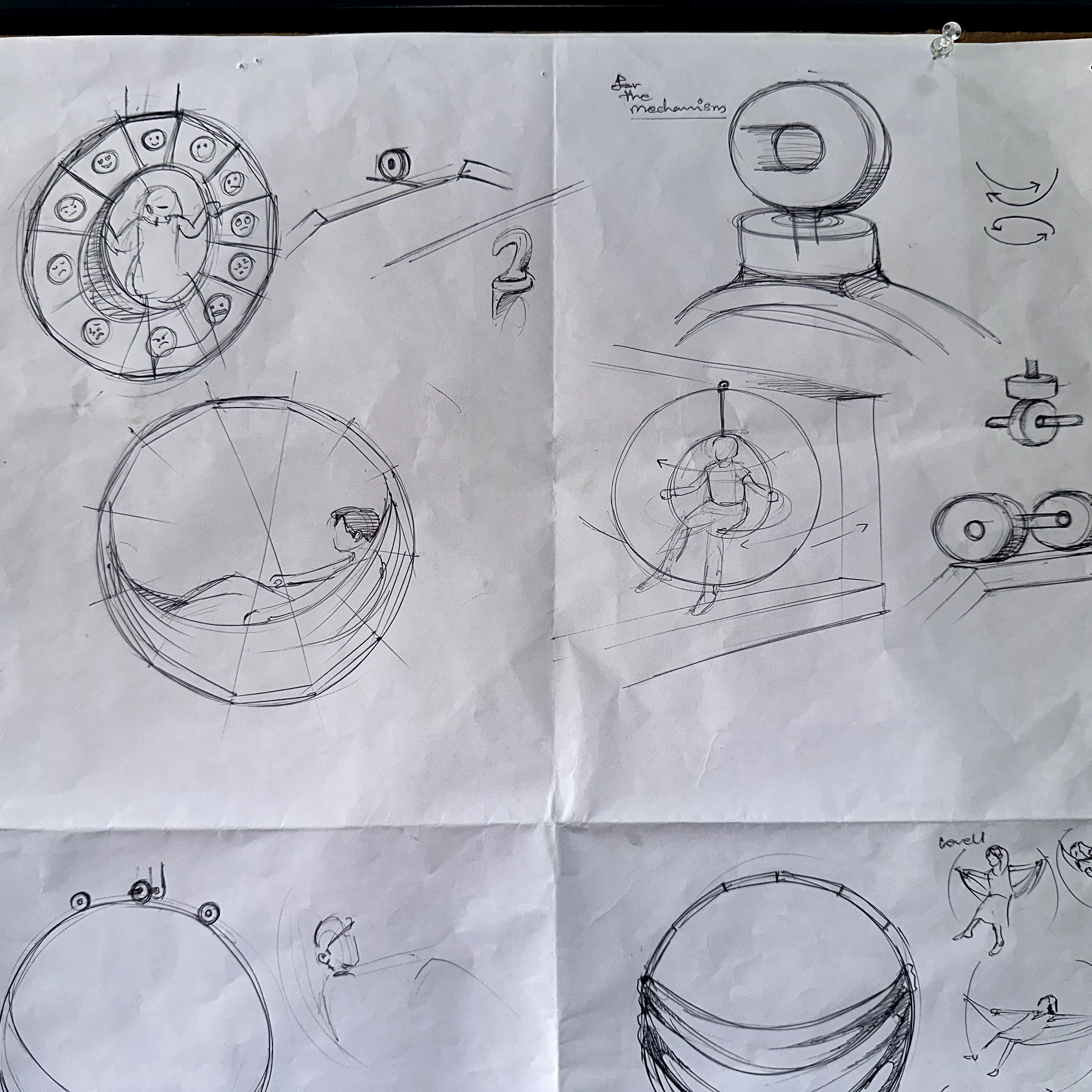
Several ideas such as mood pins and interactive objects were explored to address the challenge, before arriving at Moodswings as the most effective solution.
The concept enables students to tangibly acknowledge and express their emotions in a safe, reflective space, fostering emotional awareness and well-being. Guided by the Double Diamond framework, the ideation phase involved brainstorming, empathy mapping, and affinity mapping to align solutions with real user needs.
While a few speculative ideas were set aside due to feasibility, they informed and inspired future directions.
Development
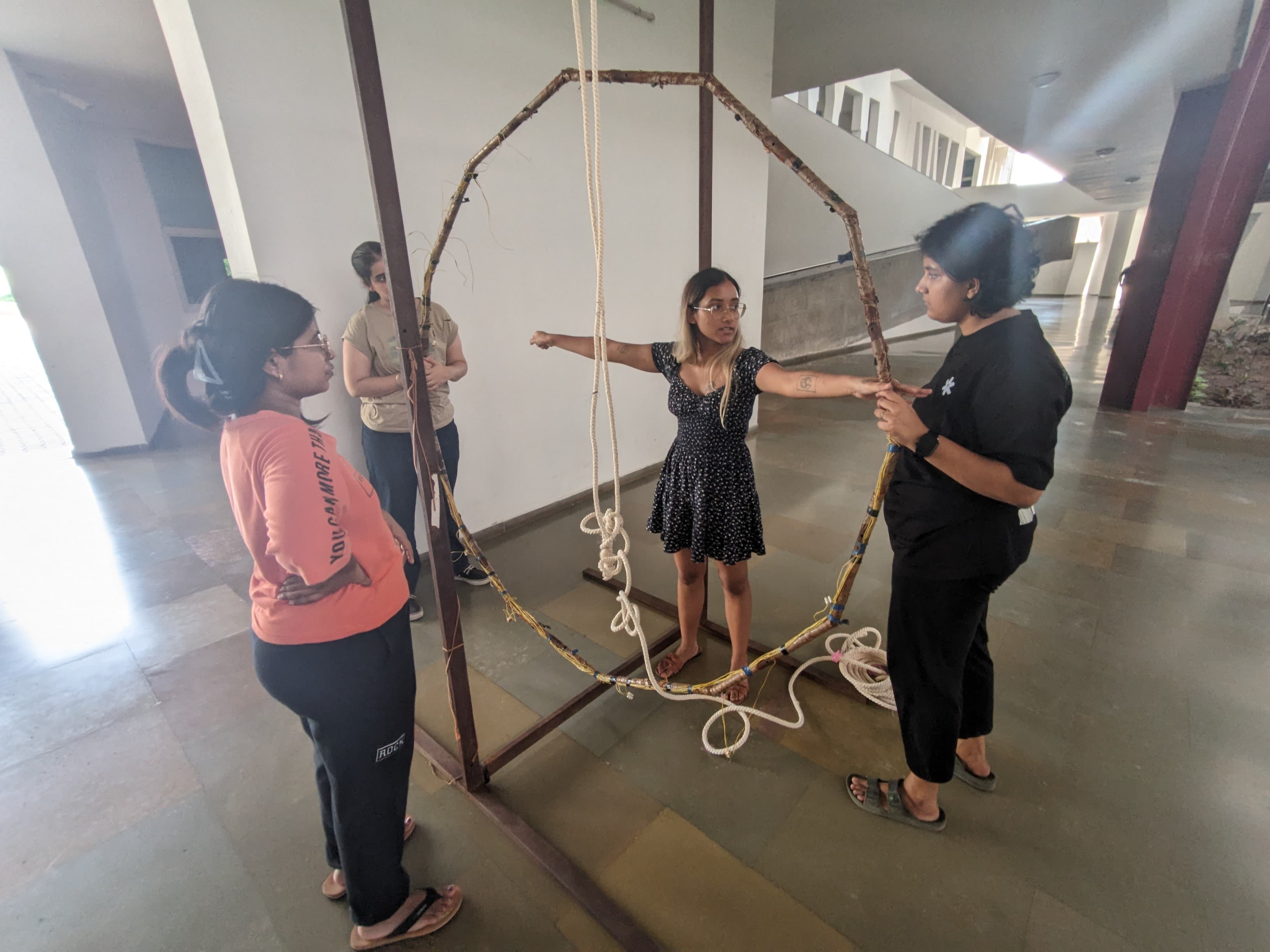
The development phase involved experimenting with various fabrics, forms, and techniques to evoke sensory responses and create an emotionally engaging, tactile experience. Prototyping was central to refining motion dynamics, suspension, and structure through iterative scaled models.
Limited access to high-tensile, lightweight materials posed challenges, requiring alternative solutions to maintain strength, feasibility, and user comfort.
Exploration
Final Ideation
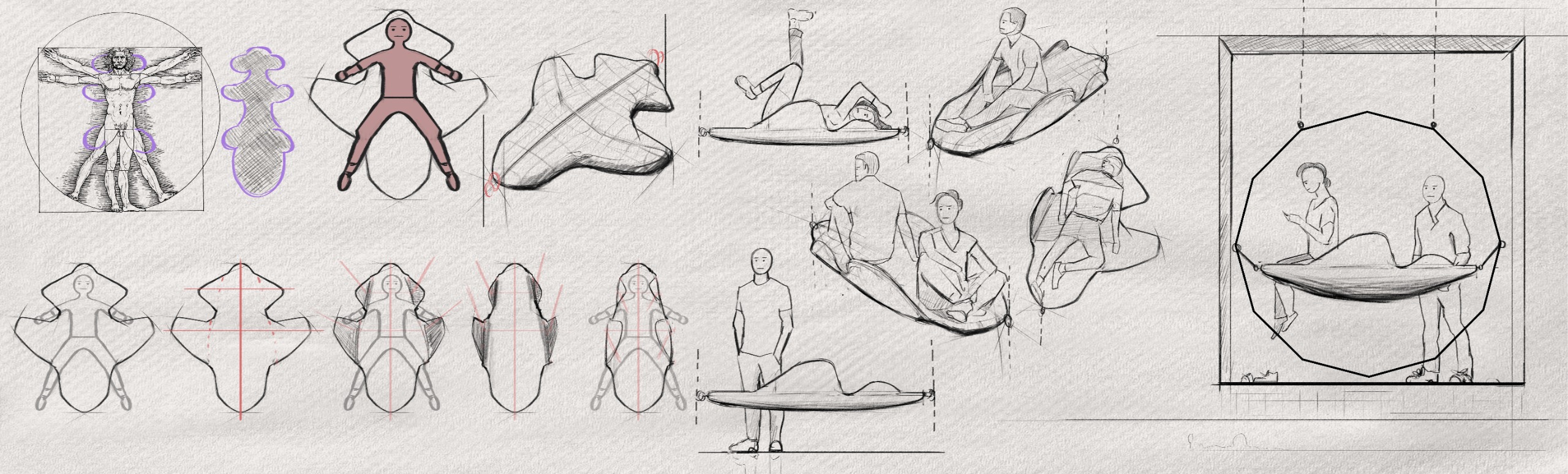
Mood Swings as a concept, aims to provide a welcoming third place where students can process their emotions, alleviate their stress, feel comforted and rejuvenated in a supportive environment.
The swing’s jellyfish-shaped padding with lumbar support folds into varied forms, offering a hug-like comfort and room for personalization.
Small details also play a major role in evoking sensory responses, such as the ornamentation on the frames, or qr codes that lead to spotify playlists
Making Process
Tracing the Pattern
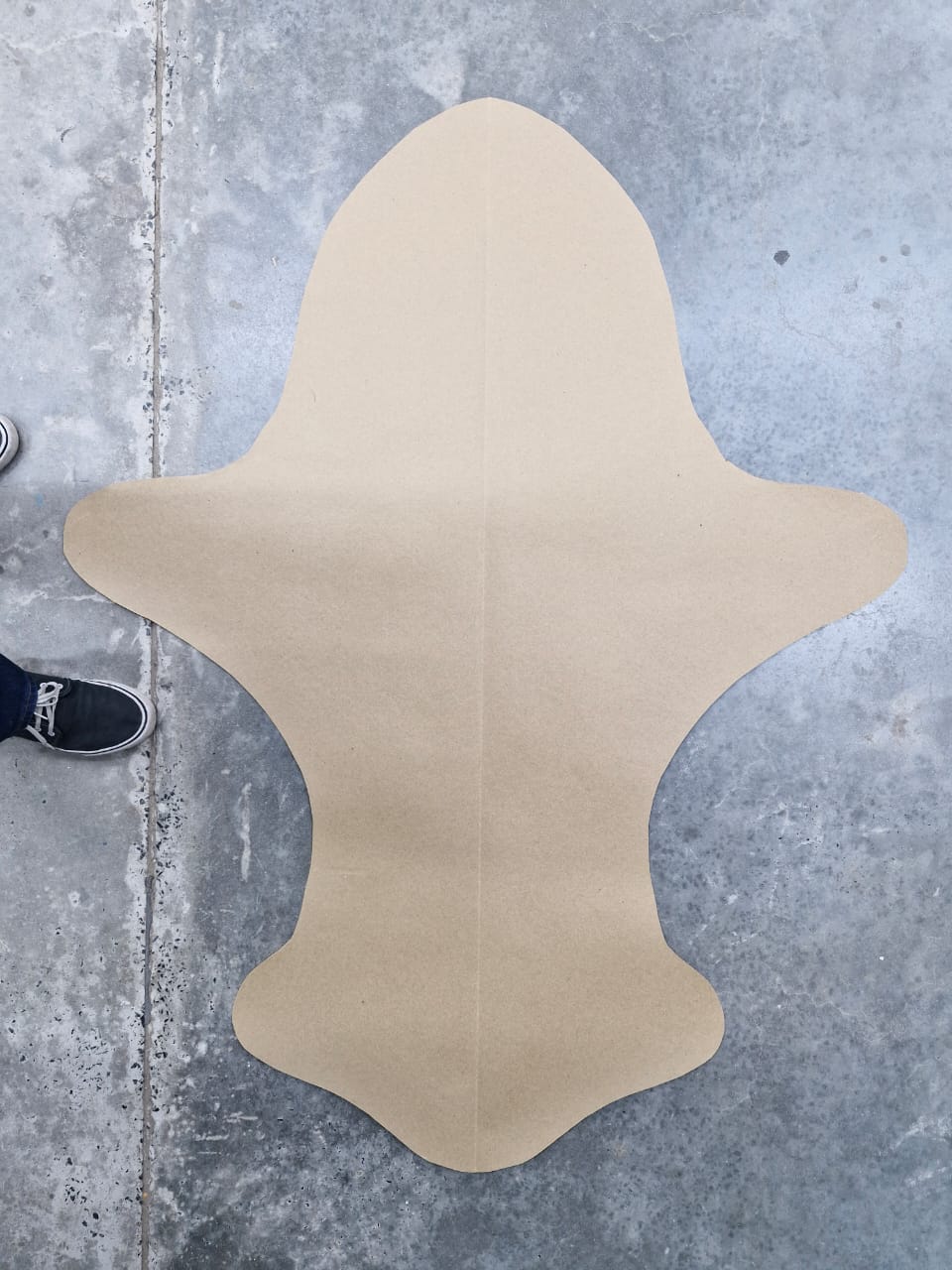
Finalised Form
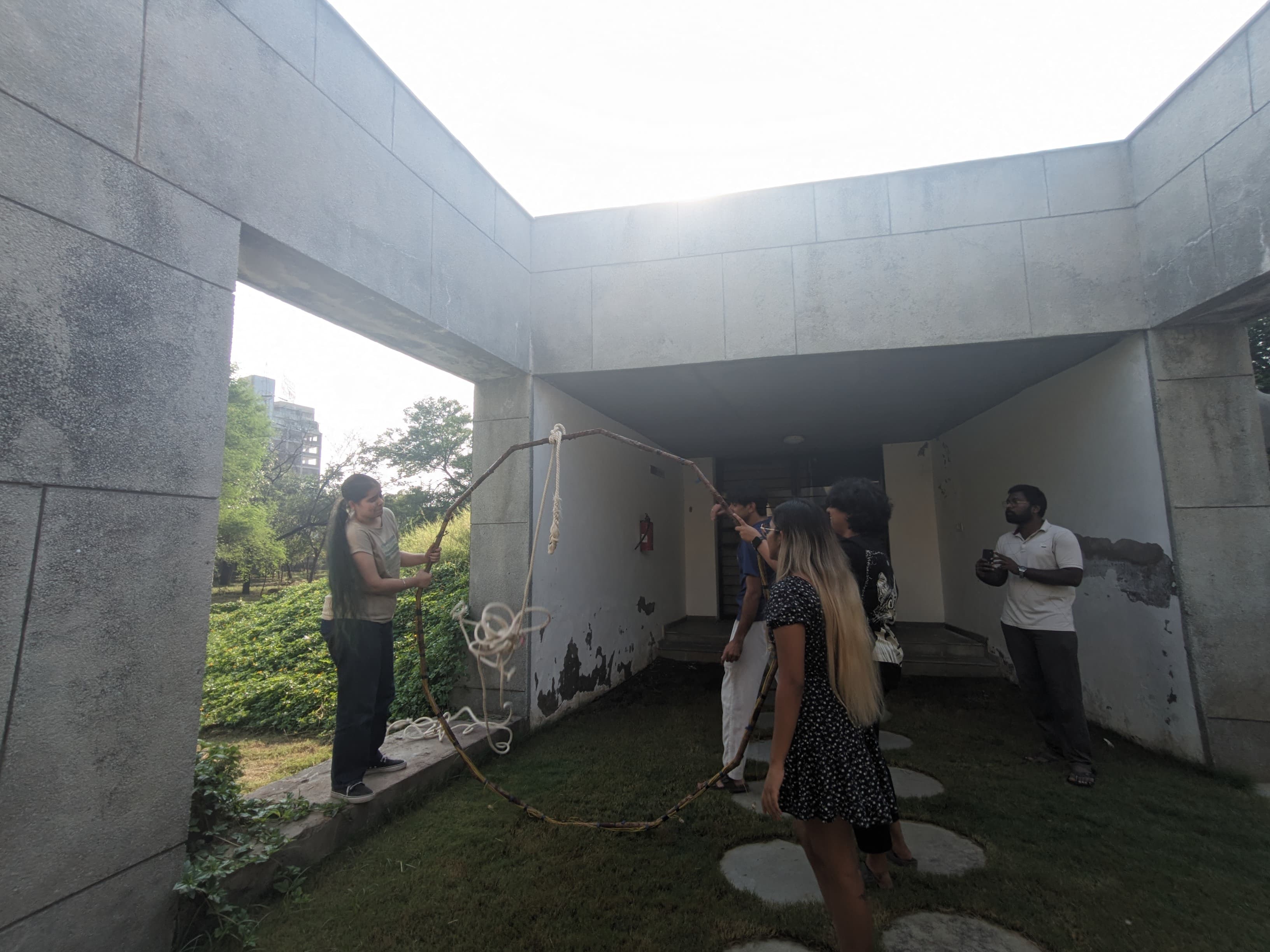
Understanding Site
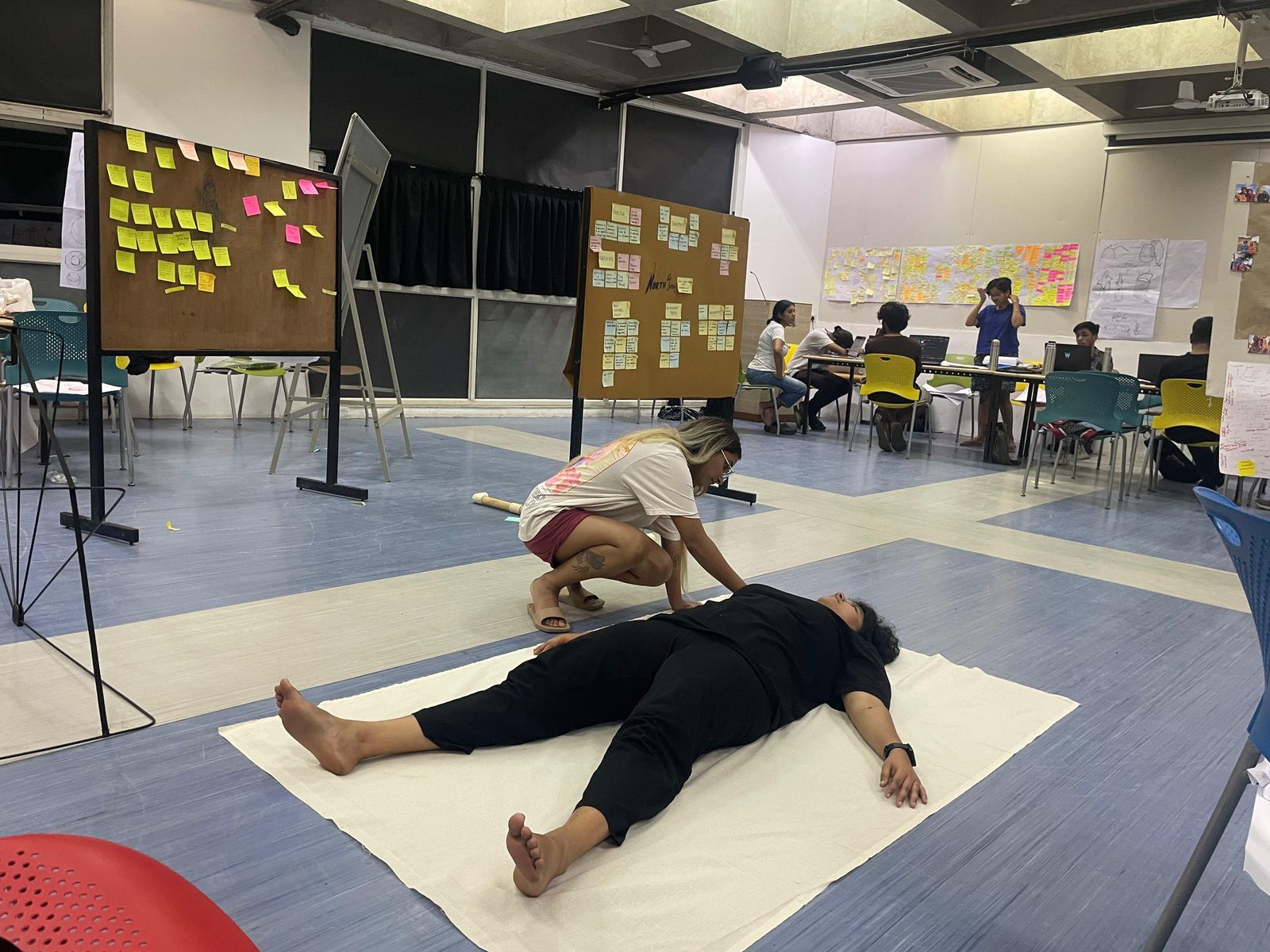
Understanding ergonomics
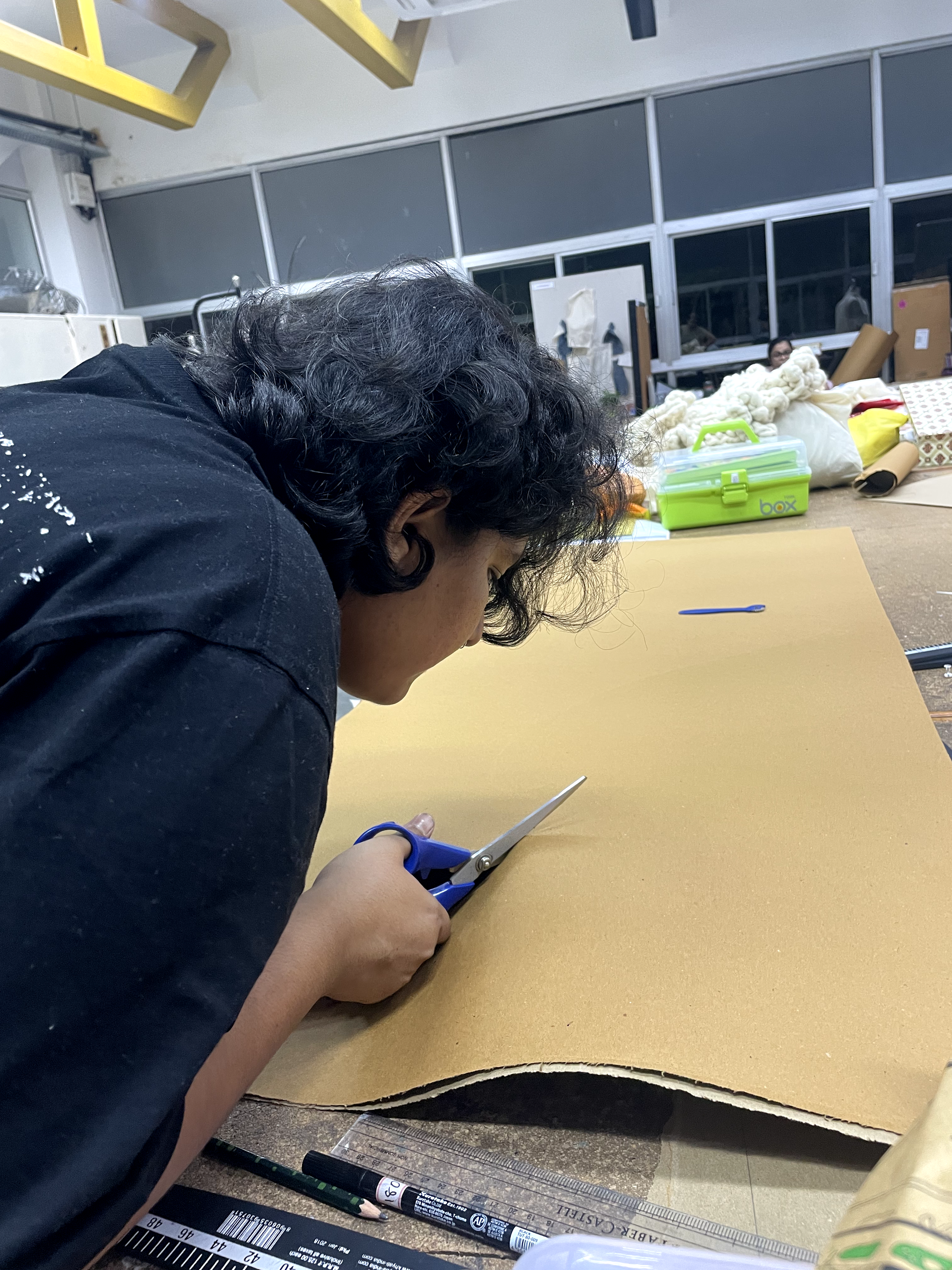
Cutting the Pattern
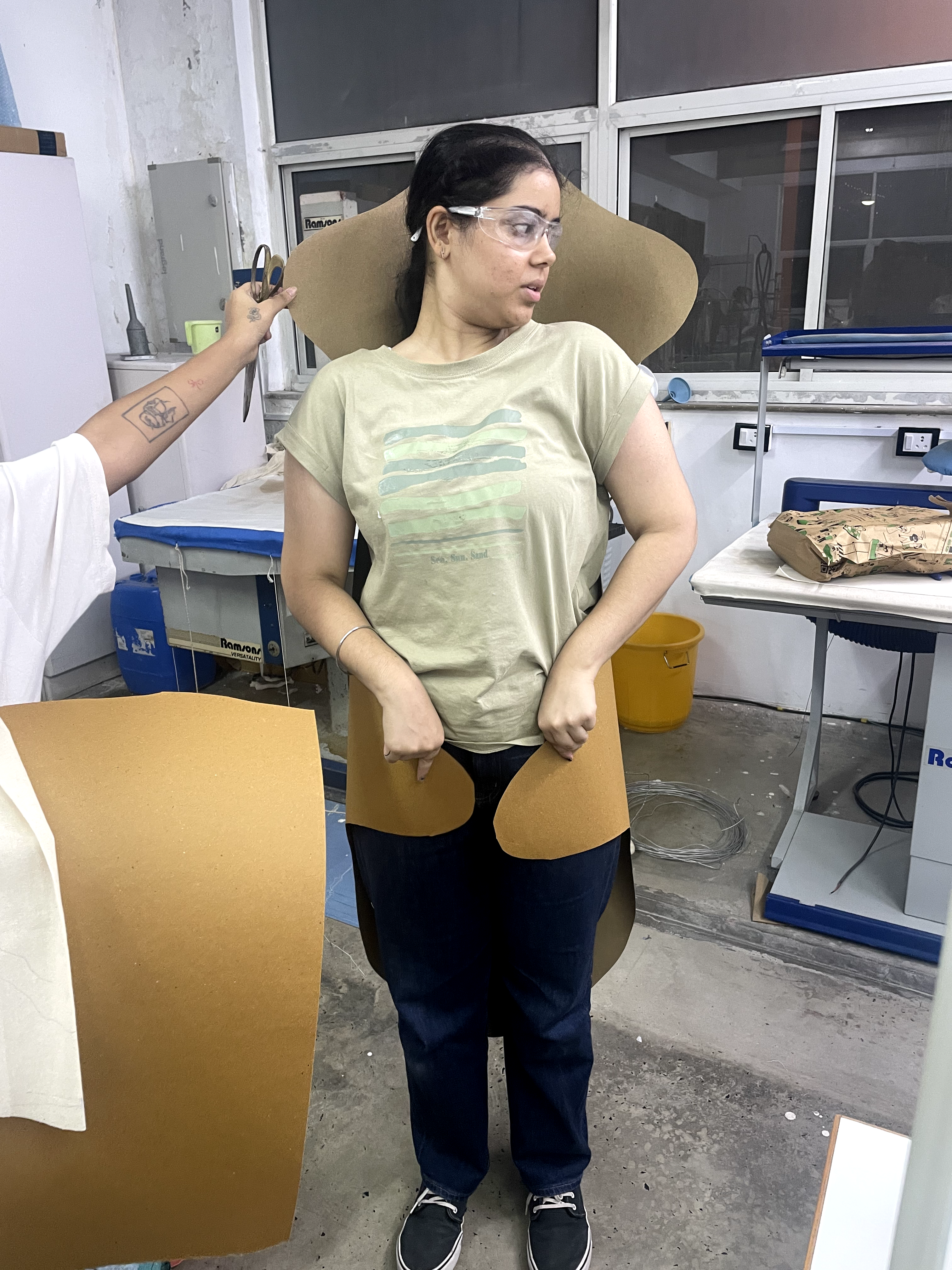
Checking Ergonomics
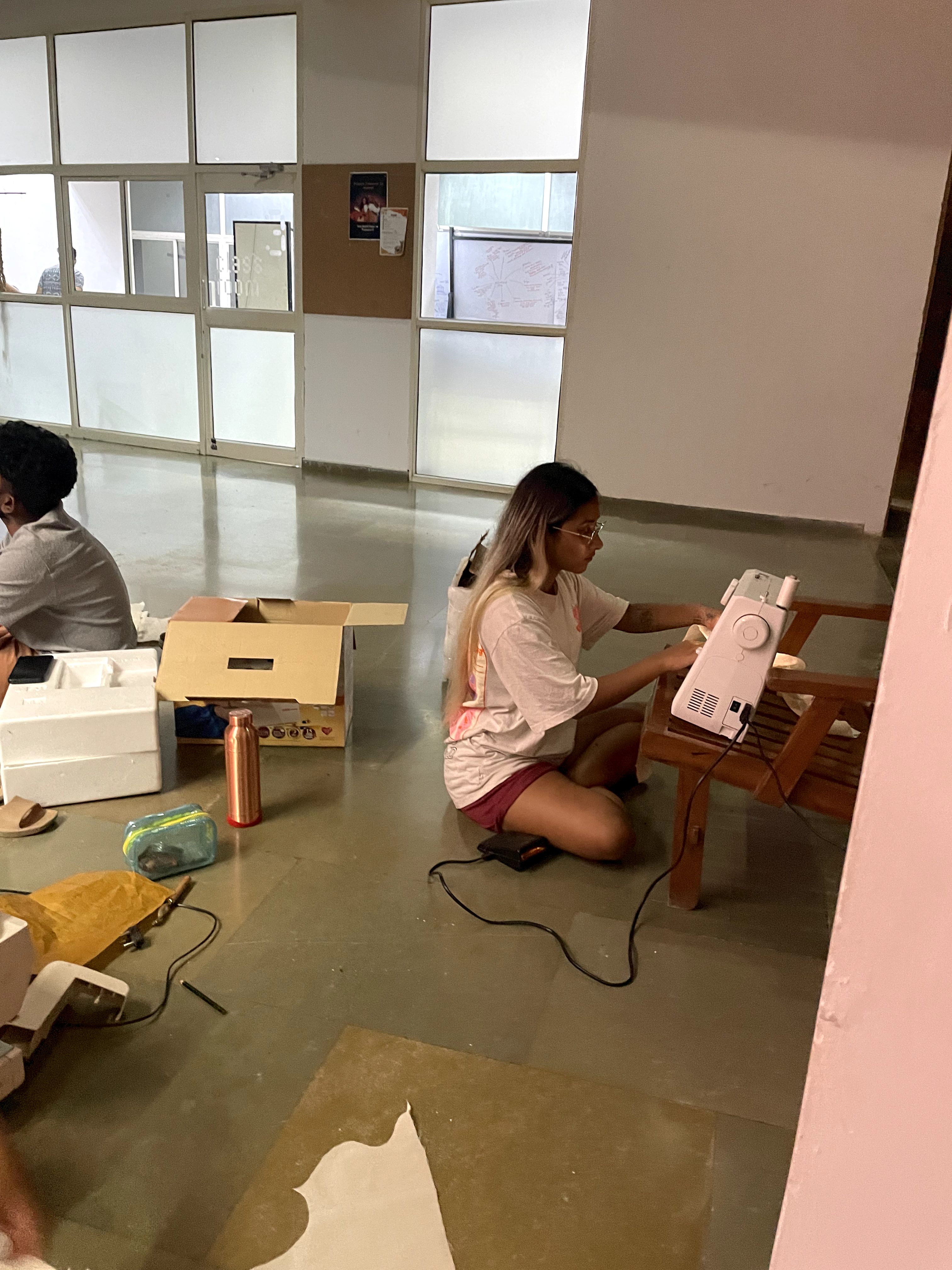
Stitching at midnight 4AM in the foyer

Fixing the frame
Peer interaction with MoodSwings


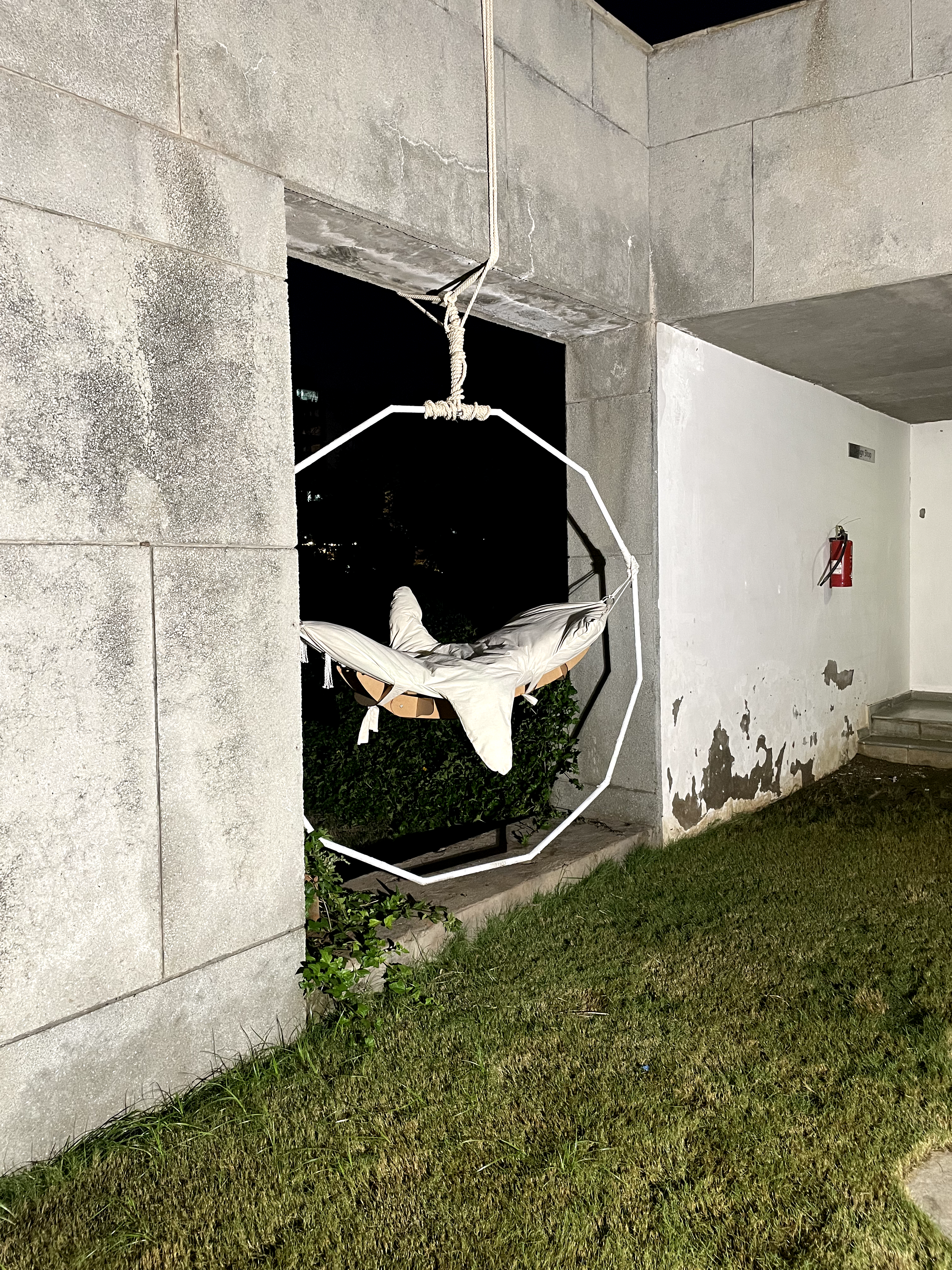
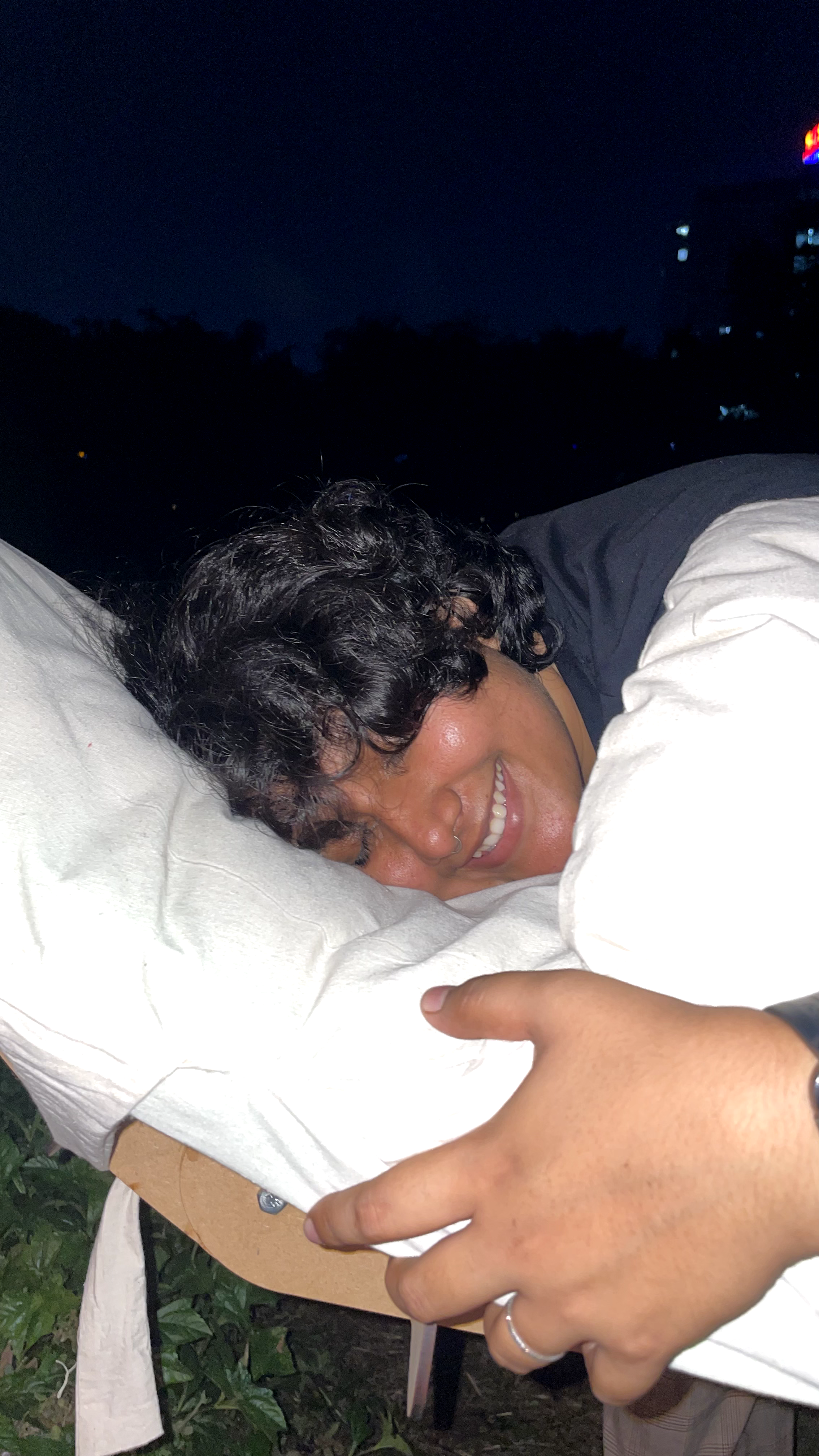
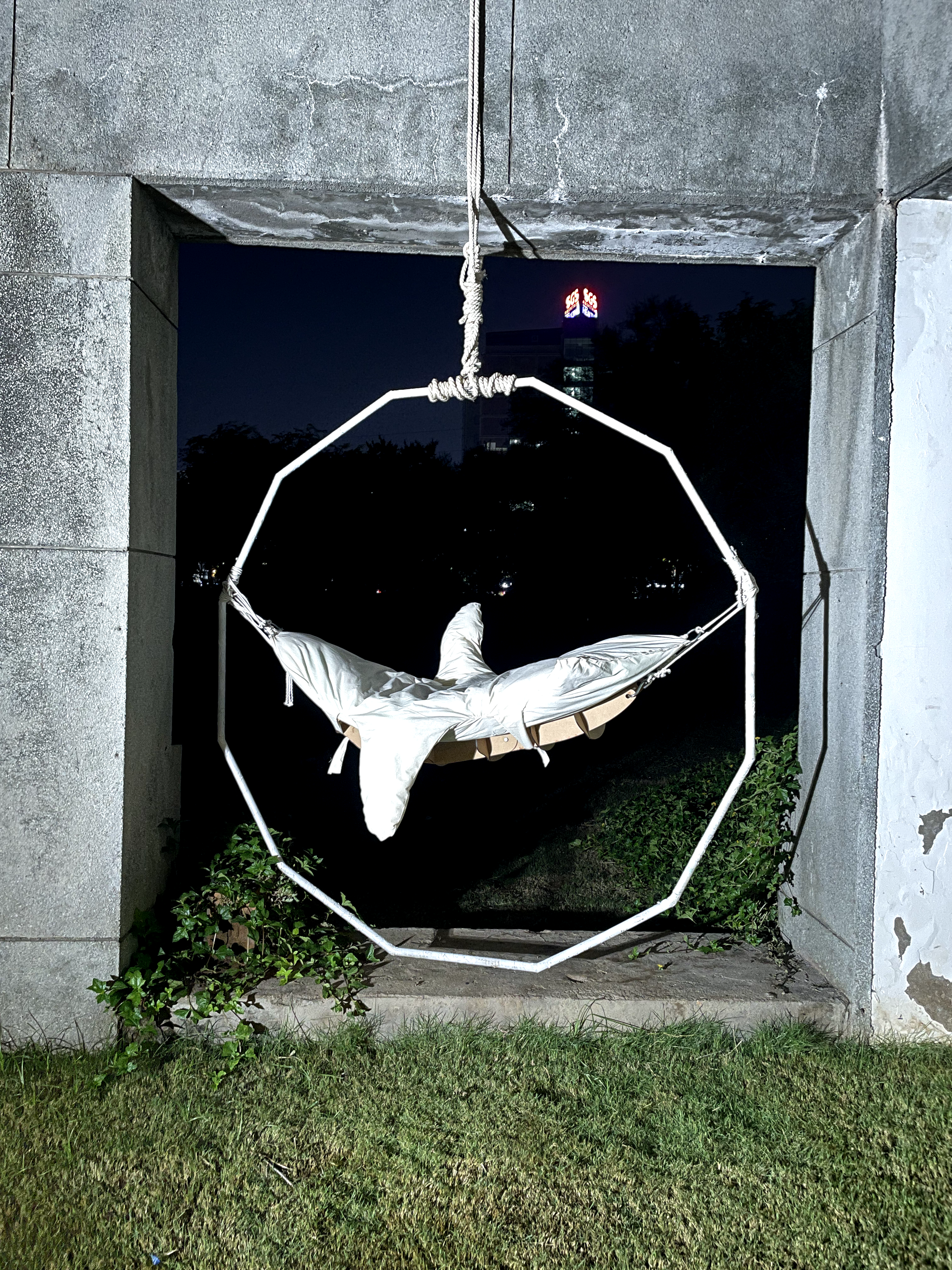
MoodSwings:
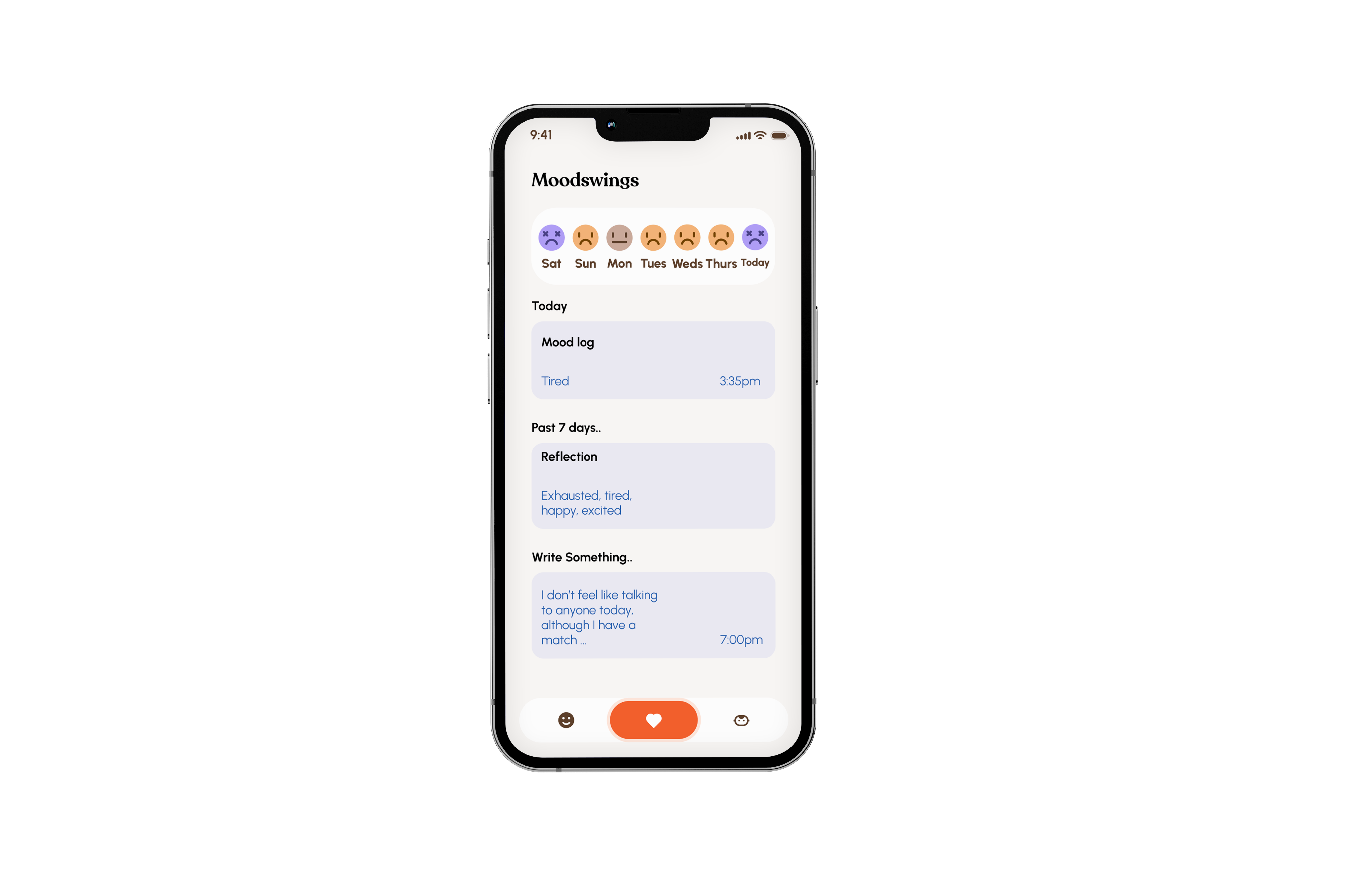
Mood tracking & reflection space
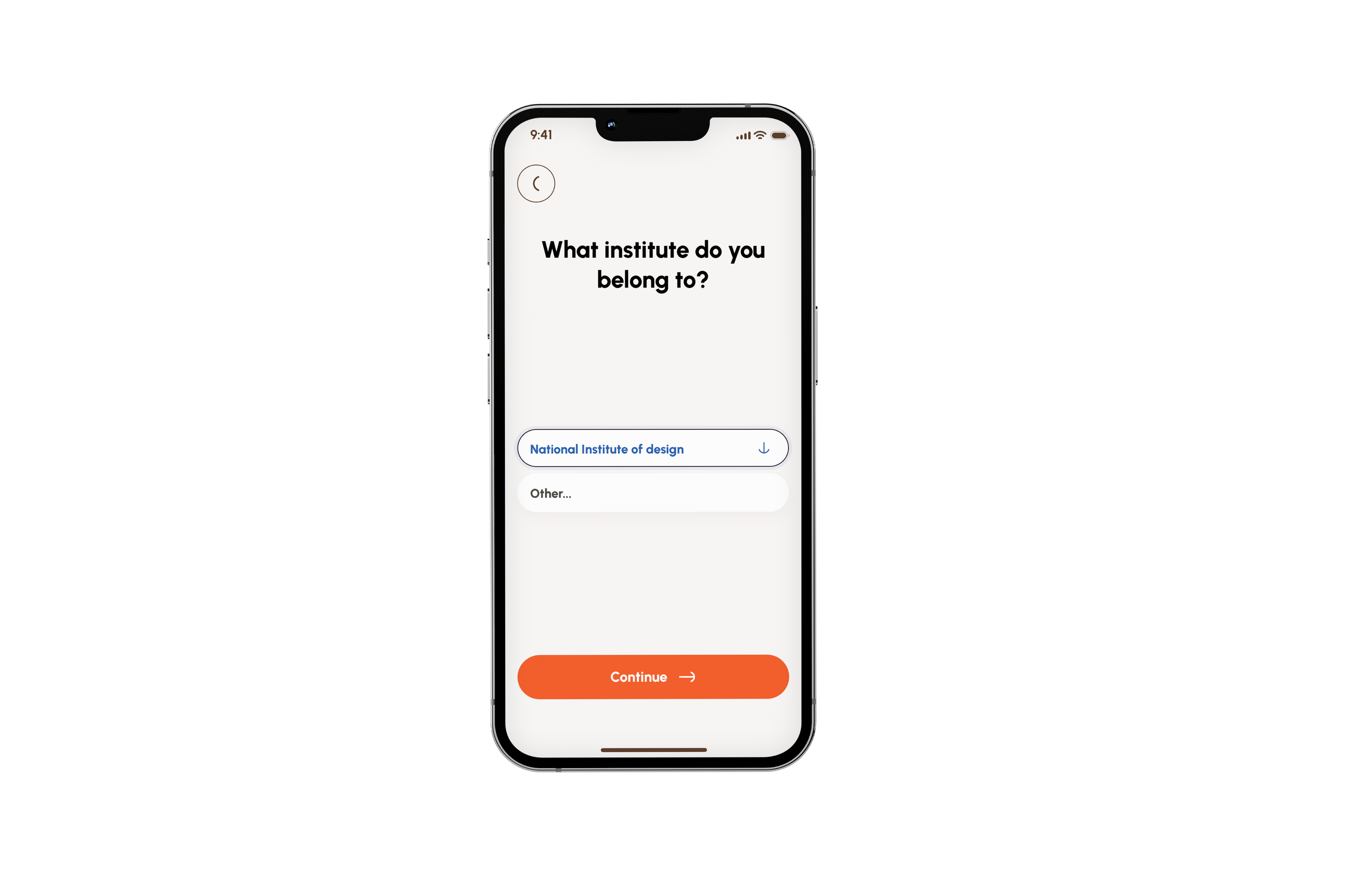
I further explored the possibility of developing an app that helps students manage mood swings by enabling them to reflect on their emotions, track their fluctuations, and identify recurring patterns over time.
By providing insights into emotional trends, the app aims to foster self-awareness and emotional resilience. This tool could contribute to creating a more mentally aware campus, where students are better equipped to understand and process their feelings, ultimately improving their well-being and overall academic experience.
Making them understand the values and ethos of the brand.
A softer onboarding to the app helps assure the students and gains their trust to begin their emotionally aware journey.
Assuring users that the app offers a safe, non-judgmental space for reflection.
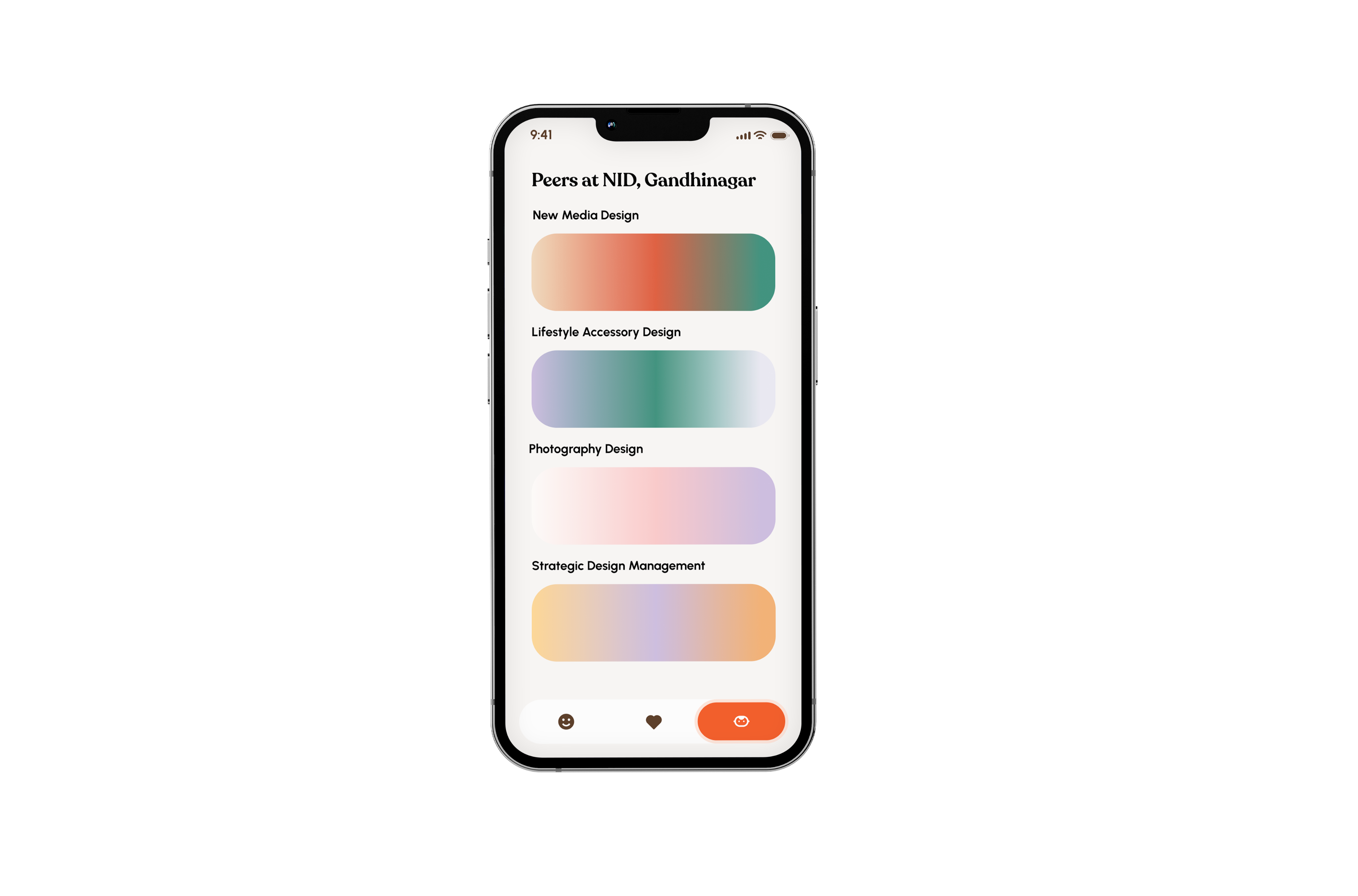
Insitution wide application
Sharing your feelings lead to an emotionally aware campus


sad


over -
whelm


lonely


tired


?
confused
© 2025 All Rights Reserved